
Menu
The First Law of Value
- Law 1
- Needs
- Manifestation
-
Dynamics
- Age Structure Demographics
- Household and Family Demographics
- Labor Market Demographics
- Geographic and Migration Demographics
- Income and Wealth Demographics
- Education and Human Capital Demographics
- Health and Mortality Demographics
- Consumption and Savings Demographics
- Ethnic, Racial, and Cultural Demographics
- Time-Use Demographics
- Intergenerational and Longitudinal Demographics
- Systems
- The Demand Model
- Demand Measures
- Demand Ratios
- Problems in Demand
- Solutions
- Worker Economic Systems
Table of Contents
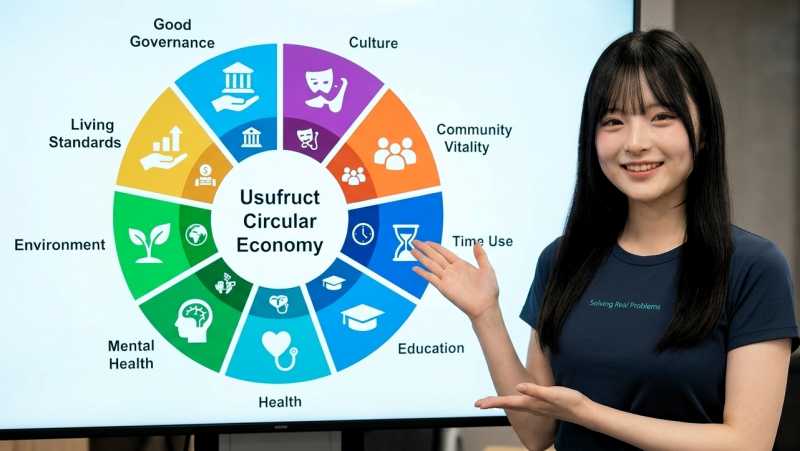
The general Supereconomics solution to demand is the Usufruct Economy, deployed as a service. Thus we call it Economy-as-a-Service or EaaS.
The main problem of unaddressed demand stems from the Negative Force of materialism that blocks the flow of creativity, production, and transportation.
Supereconomics addresses this through the Usufruct Economy, which is based on aethereal trust and fellow feeling, instead of material identity and preservation.
Leave a Comment
Thank you for your comment!
It will appear after review.