Menu
Traditional Chinese Medicine (TCM) is one of the world’s oldest continuous medical systems, with roots stretching back more than two millennia.
Its practices—herbal remedies, acupuncture, moxibustion, and therapeutic exercises—emerged from ancient observations of nature, the body, and the interplay between humans and their environment.
A Brief History
Early Chinese Medicine is believed to come from:
- Shennong (the “Divine Farmer”), who is said to have tested hundreds of herbs
- the Yellow Emperor (Huangdi).
Written records appear during the Shang dynasty (c. 1600–1046 BCE), with medical terms found on oracle bones.
TCM’s theoretical foundations took shape during the Warring States period (475–221 BCE) and solidified in the Qin and Han dynasties (221 BCE–220 CE).
The foundational text, the Huangdi Neijing (Yellow Emperor’s Inner Classic), compiled around the 3rd–1st centuries BCE, systematized key ideas about physiology, pathology, diagnosis, and treatment.
Other landmark works followed:
- the Shennong Bencao Jing (Shennong’s Classic of Materia Medica) on herbal pharmacology
- Zhang Zhongjing’s Shanghan Lun (Treatise on Cold Damage) in the late Han, which advanced pattern differentiation and clinical formulas.
Over subsequent centuries, TCM evolved through contributions from physicians such as:
- Hua Tuo (surgery and anesthesia) and, much later
- Li Shizhen, whose monumental Bencao Gangmu (Compendium of Materia Medica, 1578) catalogued nearly 1,900 medicinal substances and thousands of prescriptions.
Despite encounters with Western medicine from the 19th century onward, TCM remained central in China and has since gained global recognition, often practiced alongside conventional care.
Core Principles
TCM views the human body as an integrated whole, inseparable from nature and society. Health arises from dynamic balance and free flow of vital substances; disease results from disruption of that harmony. Its main concepts include:
Yin and Yang
These are:
- the Negative and Positive Forces in Superphysics and in Sassani metaphysics
- Shakti and Shiva in Tantric Philosophy
Yin is associated with coolness, rest, substance, and the interior.
Yang is associated with warmth, activity, function, and the exterior.
Health requires their dynamic equilibrium. Excess, deficiency, or imbalance of either leads to illness. Treatment aims to restore balance.
The Five Elements (or Five Phases, Wu Xing)
These are the 5 layers in Bio Superphysics.
Qi (Vital Energy)
Qi is:
- part of one of the 5 Elements or Layers
- the animal spirits of Descartes biology
- the organic aether in Bio Superphysics
Unlike prana which is a radiant force, qi is a spatial force.
This is why it circulates through pathways called meridians (or channels), and supports all physiological functions.
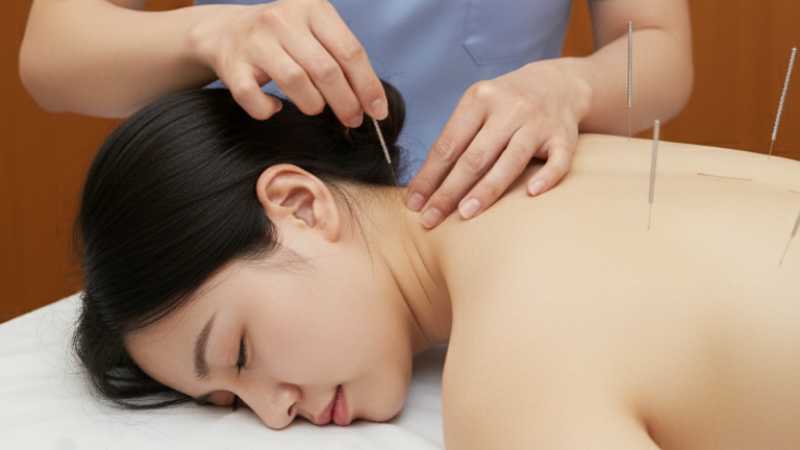
Smooth, abundant qi promotes health; stagnation, deficiency, or blockage causes dysfunction and pain. Acupuncture, herbal formulas, and practices such as qigong are used to regulate qi.
Holism and Pattern Differentiation
TCM treats the person rather than isolated symptoms. Practitioners assess the whole pattern of disharmony—considering constitution, environment, season, emotions, and lifestyle—using the “four examinations” (looking, listening/smelling, asking, and pulse-taking/palpation). Therapy is individualized (“treatment based on syndrome differentiation”) and emphasizes prevention as much as cure.
This is because the universe above the material layer is subjective.
Together these principles form a coherent worldview in which mind, body, and environment continually interact. While modern science evaluates TCM modalities through different lenses, its enduring influence rests on this integrated understanding of health as harmonious balance within the larger order of nature.
Leave a Comment
Thank you for your comment!
It will appear after review.